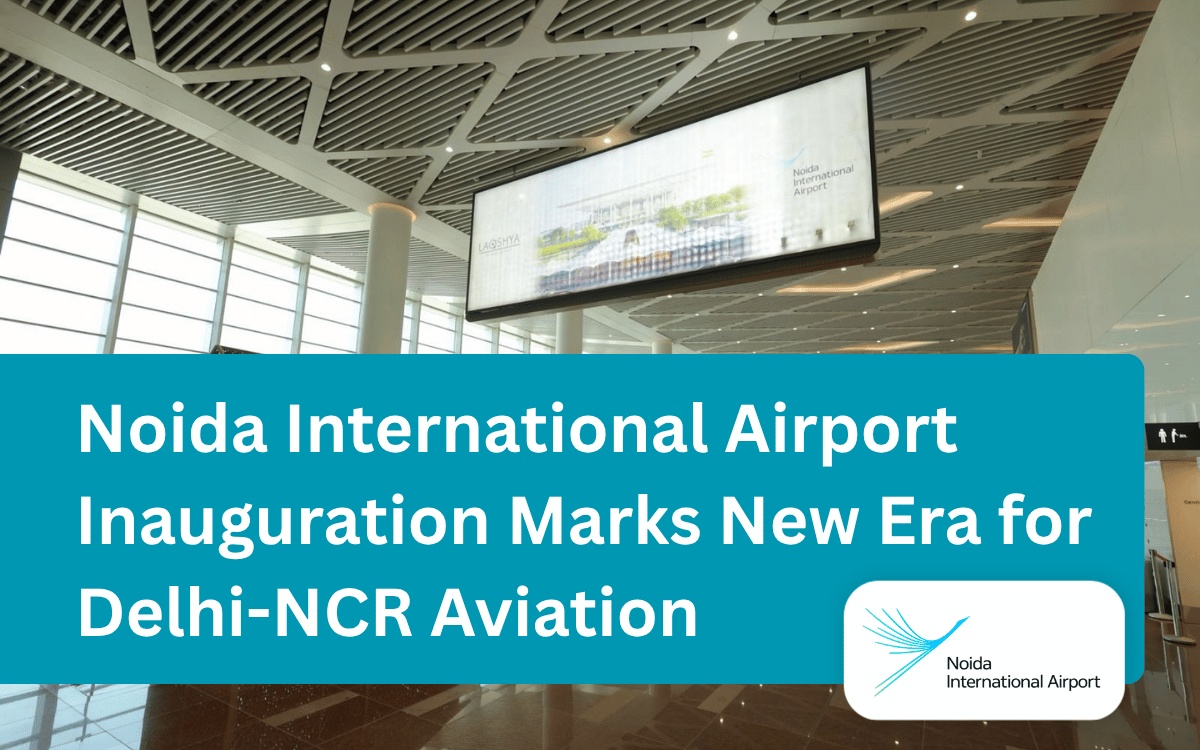
The Noida International Airport inauguration on March 28, 2026, represents a major milestone for India’s aviation infrastructure and regional connectivity. The newly developed airport in Jewar, Uttar Pradesh, is set to become a key aviation hub serving Delhi-NCR and western Uttar Pradesh, easing congestion at existing airports while supporting future passenger growth.
Prime Minister Narendra Modi officially inaugurated the first phase of the airport, signaling the beginning of operations at one of India’s most ambitious greenfield aviation projects. The launch is expected to significantly strengthen air travel capacity and economic development across northern India.
When Will Flight Operations Begin After Noida International Airport Inauguration?
Although the inauguration ceremony has been completed, commercial flight services will begin after final operational clearances and readiness checks. Aviation authorities indicate that flight operations generally start several weeks after licensing approvals are issued.
Industry officials suggest a typical gap of around 45 days to two months between inauguration and the launch of passenger flights, meaning regular services are expected to commence shortly after the formal opening phase.
Airlines Preparing to Operate from Jewar Airport
Several major airlines are already preparing routes and operational plans following the Noida International Airport inauguration. Early participation from leading carriers highlights strong confidence in the airport’s long-term potential.
Expected airline participation includes:
- IndiGo focusing on domestic connectivity
- Akasa Air expanding gradually across routes
- Air India Express planning international services
The presence of multiple airlines from the beginning is expected to improve competition and travel options for passengers across India and overseas markets.
Airport Capacity and Infrastructure Details
The airport has been designed as a multi-phase aviation project with long-term expansion in mind. During its first phase:
- A single runway and terminal are operational
- Annual passenger handling capacity reaches about 12 million travelers
- Infrastructure supports all-weather operations
- Cargo and logistics facilities are integrated into future plans
Once all development phases are completed, total capacity could grow to nearly 70 million passengers annually, positioning the airport among India’s largest aviation hubs.
Strategic Importance for Delhi-NCR Travel
The Noida International Airport inauguration introduces the second international airport serving the Delhi-NCR region, complementing existing aviation infrastructure and helping reduce passenger pressure caused by rapidly rising air travel demand.
Experts believe the airport will:
- Reduce congestion at Delhi’s primary airport
- Improve connectivity for western Uttar Pradesh
- Boost logistics and cargo operations
- Encourage regional business and tourism growth
Its integration with road and future multi-modal transport systems is expected to improve accessibility for travelers across nearby cities.
Development Model and Project Execution
The airport has been developed under a Public-Private Partnership (PPP) model by Yamuna International Airport Private Limited, a subsidiary linked to Zurich Airport International. The project reflects India broader push toward modern, technology-driven aviation infrastructure supported by global expertise.
Future Outlook After Noida International Airport Inauguration
With infrastructure expansion already planned in multiple phases, the airport is expected to evolve into a major aviation and cargo gateway over the coming decades. Authorities see it as a long-term solution to rising passenger demand while strengthening India position in global aviation networks.
The successful Noida International Airport inauguration marks not only the launch of a new airport but also a major step forward in India’s infrastructure modernization and regional economic transformation.